
Best Time to Visit Croatia: Seasonal Travel Guide
Croatia's Mediterranean Climate
Croatia enjoys a Mediterranean climate along its coast and a continental climate inland. The Dalmatian coast boasts over 2,700 hours of sunshine per year — more than most of Southern Europe. Understanding seasonal patterns helps you balance weather, crowds, and costs for the perfect Croatian holiday.
Spring (April – May): The Sweet Spot
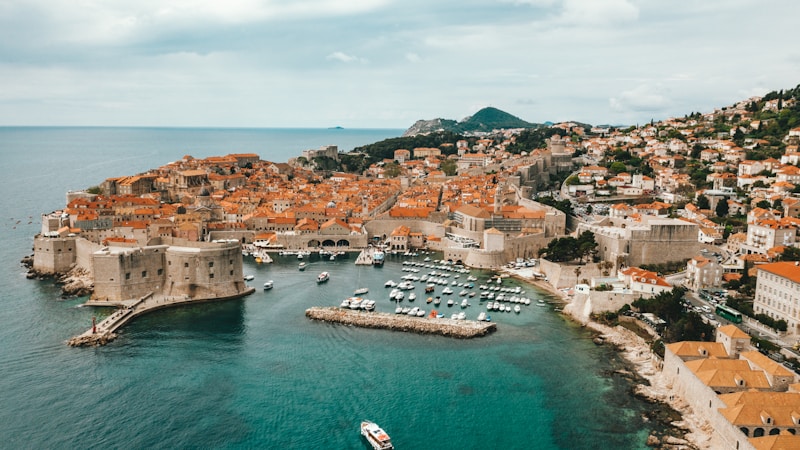
Spring is arguably the best time to visit Croatia. Temperatures along the coast reach 18-24°C, wildflowers blanket the islands, and tourist crowds are manageable. Dubrovnik and Split are pleasant without the crushing summer masses. Plitvice Lakes are at their most dramatic with snowmelt-fed waterfalls. Accommodation prices are 30-50% lower than peak summer. The sea is still cool (18-20°C) but swimmable for the brave.
Summer (June – August): Peak Season
Summer is Croatia's peak season with temperatures of 28-35°C and sea temperatures reaching 25-27°C. The Dalmatian coast is at its finest for swimming, sailing, and island-hopping. Dubrovnik, Hvar, and Split buzz with energy. Ultra Europe music festival in Split draws massive crowds in July. Expect the highest prices and most tourists — book everything well in advance. The islands of Vis, Korčula, and Mljet offer slightly quieter alternatives.
Autumn (September – October): Golden Season
Early autumn is another excellent time. September offers summer-like weather (22-28°C) with significantly fewer crowds. The sea remains warm (23-25°C) through September. October brings harvest season with wine and olive oil festivals, especially in Istria. Prices drop considerably, and you'll have Dubrovnik's streets largely to yourself. Plitvice's autumn colors add a new dimension to the park.
Winter (November – March): Off-Season Charm
Winter brings a completely different Croatia. Coastal cities are quiet and atmospheric, with temperatures of 8-15°C. Zagreb comes alive with one of Europe's best Christmas markets (voted #1 multiple years). Skiing is available at Sljeme near Zagreb. Many island services and coastal restaurants close, but cities like Dubrovnik, Split, and Zadar retain their charm with very few tourists. Prices are at their lowest.
Travel Insurance for Every Season
Whether you're sailing in summer or exploring Christmas markets in winter, travel insurance provides essential protection. Water sports, hiking, and even the cobblestone streets of old towns present risks. TravelSafeOne offers comprehensive Schengen-compliant coverage year-round.
📖 Read also:
Related Articles
Top 10 Schengen Destinations to Visit in 2026
Explore the most beautiful and culturally rich destinations within the Schengen Area for your next European adventure.

Best European Cities for Winter Travel: A Complete Guide
Discover the most enchanting European cities to visit in winter, from magical Christmas markets to stunning alpine scenery and cozy cultural experiences.

European Food Guide: Must-Try Dishes in Every Country
A food lover's guide to the best dishes across Europe. From French croissants to Spanish tapas, Italian pasta to German pretzels — discover what to eat in every Schengen country.