
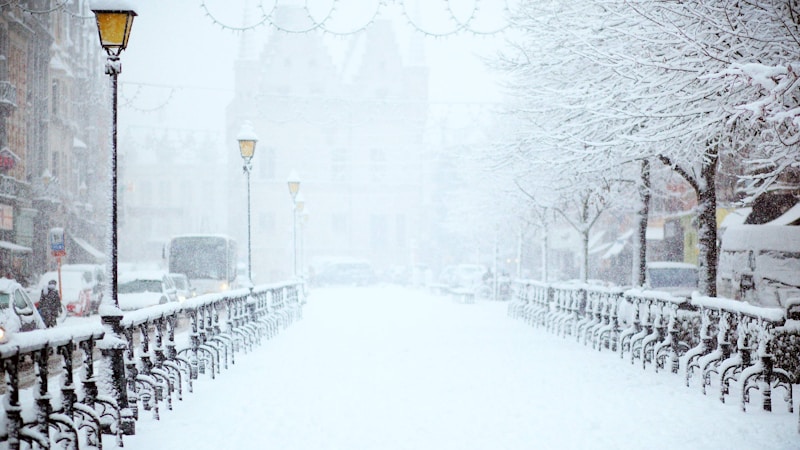
Winter in Europe: Best Destinations for Snow, Culture & Warmth
Why Visit Europe in Winter?
Europe transforms into a winter wonderland between November and March. From snow-covered Alpine peaks to cozy Christmas markets and surprisingly warm Mediterranean coastlines, winter travel offers unique experiences you won't find in summer. Lower prices, fewer crowds, and festive atmospheres make it an ideal time to explore the continent.
Alpine Ski Destinations
Zermatt, Switzerland
Home to the iconic Matterhorn, Zermatt is a car-free village offering over 360 km of ski runs. The resort operates from November through April, with some glacier skiing available year-round. Expect world-class dining, luxury chalets, and stunning mountain scenery. A ski pass costs around €80-100 per day in 2026.
Innsbruck, Austria
Surrounded by nine ski resorts accessible with a single pass, Innsbruck combines Alpine sports with imperial history. The city's Old Town features baroque architecture, traditional Tyrolean restaurants, and the famous Golden Roof. The Nordkette cable car whisks you from the city center to the slopes in just 20 minutes.
Chamonix, France
At the foot of Mont Blanc, Chamonix is a legendary destination for both skiers and mountaineers. The Vallée Blanche off-piste run offers a 20 km descent through glacial landscapes. The town itself buzzes with après-ski culture, boutique shops, and gourmet French cuisine.
Christmas Market Magic
Strasbourg, France
The "Capital of Christmas" has hosted markets since 1570, making it one of the oldest in Europe. Over 300 wooden chalets spread across 12 locations throughout the city, selling handcrafted ornaments, mulled wine (vin chaud), and Alsatian specialties like bredele cookies and flammekueche.
Vienna, Austria
Vienna's Christmas markets are set against stunning imperial backdrops. The Rathausplatz market in front of City Hall features over 150 stalls, an ice skating rink, and a spectacular light display. Don't miss the Schönbrunn Palace market for a more intimate, cultural experience.
Prague, Czech Republic
Old Town Square transforms into a fairy-tale Christmas scene with a massive tree, wooden huts, and live nativity performances. Prague offers exceptional value compared to Western European markets, with delicious trdelník (chimney cake) and Czech hot mead at affordable prices.
Warm Winter Escapes
Canary Islands, Spain
With average winter temperatures of 20-22°C, the Canaries offer summer-like conditions year-round. Tenerife's volcanic landscapes, Gran Canaria's sand dunes, and Lanzarote's lunar terrain provide diverse experiences. Direct flights from most European cities take 4-5 hours.
Malta
This Mediterranean archipelago enjoys mild winters with temperatures around 15-18°C. Explore 7,000 years of history through megalithic temples, medieval cities, and stunning baroque churches. Malta's compact size means you can see the main highlights in a week.
Southern Portugal (Algarve)
The Algarve coast enjoys over 300 sunny days per year. Winter temperatures hover around 16-18°C—perfect for coastal hikes along dramatic cliff formations, exploring charming fishing villages, and enjoying fresh seafood at fraction of summer prices.
Northern Lights Adventures
Winter is prime season for witnessing the aurora borealis. Tromsø in Norway, Abisko in Sweden, and Rovaniemi in Finland offer excellent viewing conditions from September through March. Combine aurora hunting with husky sledding, snowmobile safaris, and ice hotel stays for an unforgettable Arctic experience.
Travel Insurance for Winter Sports
If you're planning winter sports activities, standard travel insurance may not cover skiing, snowboarding, or other adventure sports. Make sure your policy includes winter sports coverage, which typically adds €1-3 per day to your premium. This covers ski equipment damage or theft, lift pass loss, piste closure, and on-slope accidents requiring mountain rescue—which can cost €5,000-15,000 without insurance.
Winter Travel Tips
Pack smart: Layer your clothing with moisture-wicking base layers, insulating mid-layers, and waterproof outer shells. Don't forget thermal socks, a good pair of waterproof boots, and hand warmers.
Book early: Christmas and New Year periods are peak season. Book accommodation 3-6 months in advance for the best rates and availability.
Check daylight hours: Northern European cities may have as few as 6-7 hours of daylight in December. Plan outdoor activities accordingly and embrace the cozy indoor culture.
Travel insurance is essential: Winter conditions can cause flight cancellations and delays. Comprehensive travel insurance protects your investment and provides emergency medical coverage throughout your trip.
Related Articles
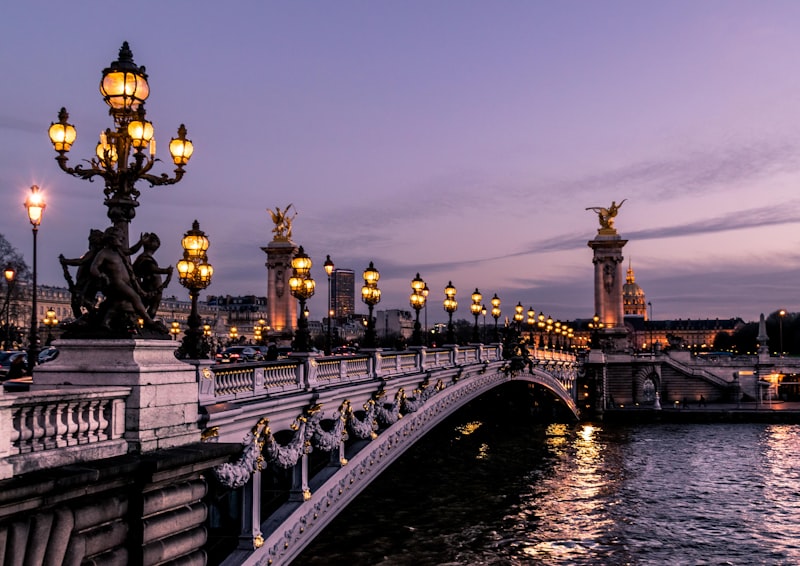
Top 10 Schengen Destinations to Visit in 2026
Explore the most beautiful and culturally rich destinations within the Schengen Area for your next European adventure.
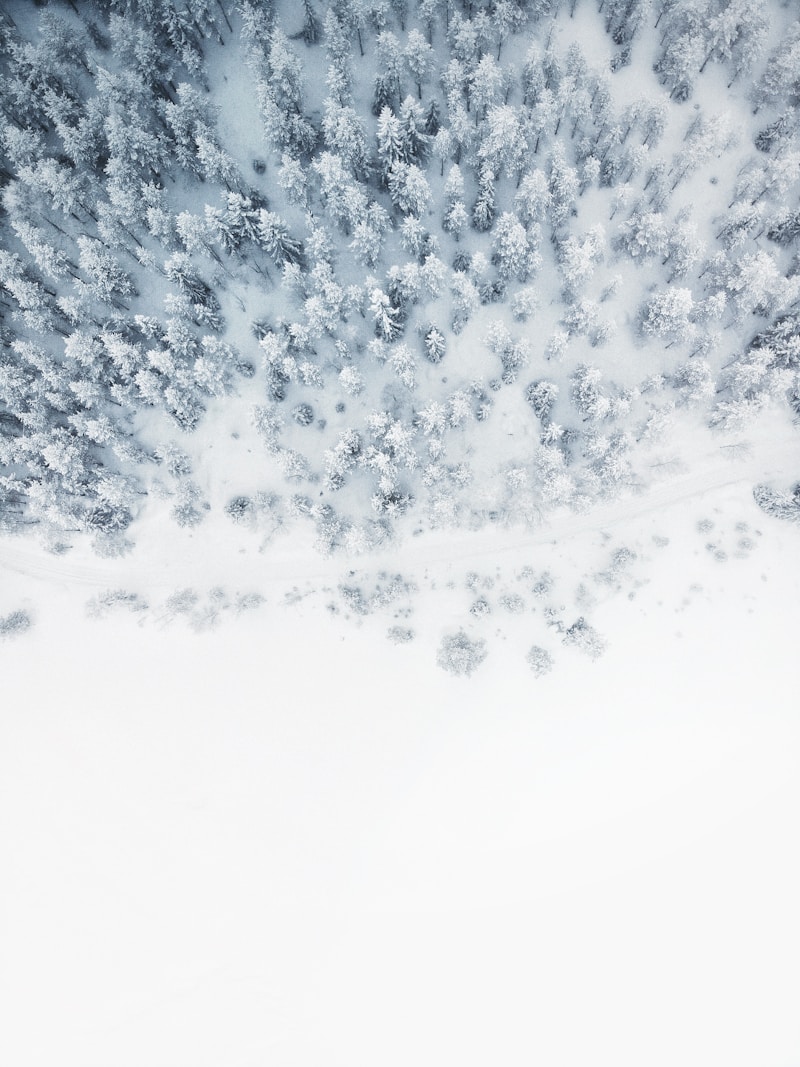
Best European Cities for Winter Travel: A Complete Guide
Discover the most enchanting European cities to visit in winter, from magical Christmas markets to stunning alpine scenery and cozy cultural experiences.

European Food Guide: Must-Try Dishes in Every Country
A food lover's guide to the best dishes across Europe. From French croissants to Spanish tapas, Italian pasta to German pretzels — discover what to eat in every Schengen country.