
Travel Insurance for Greece: What You Need for Islands & Mainland
Why Greece Demands Good Travel Insurance
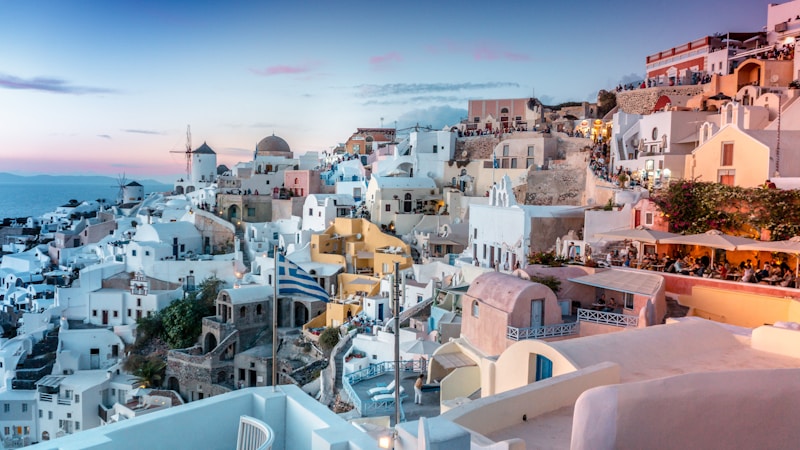
Greece is a dream destination—but it comes with unique risks that make travel insurance essential. Island hopping involves multiple ferry crossings in open sea, water sports are a major draw, and healthcare on remote islands can be limited. The nearest major hospital might be a helicopter ride away from smaller islands like Folegandros or Koufonisia.
Schengen Visa Insurance Requirements
As a Schengen member, Greece requires all visa applicants to hold travel insurance with minimum €30,000 medical coverage. This must be valid across all 27 Schengen states, cover your entire trip duration, and include emergency medical repatriation. TravelSafeOne policies meet all these requirements and provide instant digital proof for your visa application.
Greece-Specific Risks to Cover
Island hopping disruptions: Greek ferries can be cancelled due to strong Meltemi winds (July–August). Good insurance covers trip interruption, rebooking costs, and additional accommodation expenses when you're stranded on an island.
Water sports accidents: Snorkeling, jet skiing, and sailing are popular activities. Ensure your policy covers recreational water sports—TravelSafeOne includes this as standard, unlike many basic policies.
Heat-related illness: Summer temperatures in Greece regularly exceed 40°C. Heatstroke and dehydration are common medical emergencies for tourists. Your insurance should cover emergency hospital visits without excessive deductibles.
Remote island medical evacuation: On smaller islands, serious medical emergencies require helicopter evacuation to Athens or Thessaloniki. This can cost €10,000-€25,000 without insurance. TravelSafeOne covers emergency medical evacuation with no cap.
Healthcare in Greece
Public hospitals in Athens and Thessaloniki provide decent care, but waiting times can be long. Private clinics offer faster service at higher costs (€80-200 for a basic consultation). On popular islands like Santorini, Mykonos, and Crete, there are health centers and private clinics. On smaller islands, medical facilities are basic first-aid posts.
What TravelSafeOne Covers for Greece
Medical expenses: Up to €30,000+ for emergency treatment, hospitalization, and prescriptions.
Emergency evacuation: Air ambulance or helicopter transfer from remote islands to major hospitals.
Trip disruption: Compensation for cancelled ferries, delayed flights, and forced itinerary changes.
Lost/stolen belongings: Coverage for luggage, electronics, and travel documents.
Water sports: Recreational snorkeling, swimming, sailing, and jet skiing included as standard.
How to Get Insured
Getting your TravelSafeOne policy for Greece takes just 2 minutes. Enter your travel dates, receive instant coverage, and download your certificate immediately. The certificate is formatted specifically for Schengen visa applications and is accepted at every Greek consulate worldwide. Don't let a preventable incident ruin your Greek island adventure.
📖 Read also:
Related Articles

Why Travel Insurance Is Essential for Your European Trip
Discover why travel insurance is not just a visa requirement but a crucial safeguard for your European adventure — from medical emergencies to trip cancellations.
Handling Medical Emergencies While Traveling in Europe
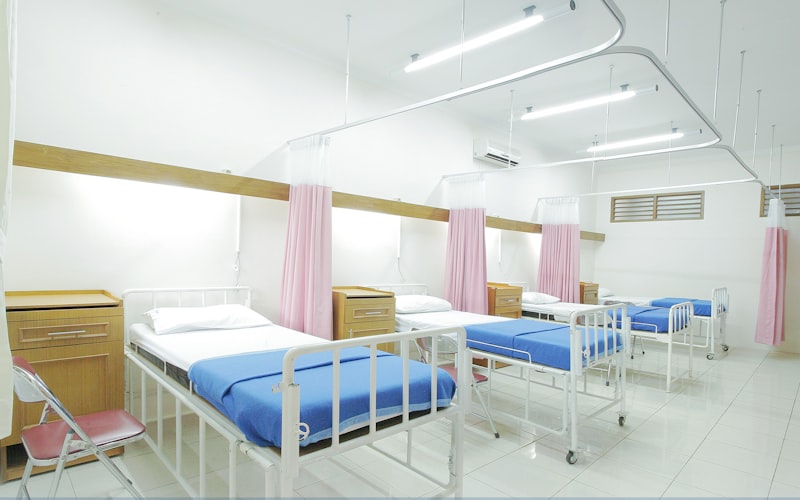
A complete guide to navigating medical emergencies abroad — from emergency numbers to insurance claims and hospital costs.

How to File a Travel Insurance Claim: Complete Step-by-Step Guide
Learn exactly how to file a travel insurance claim, what documents you need, common mistakes to avoid, and how to maximize your chances of approval.