
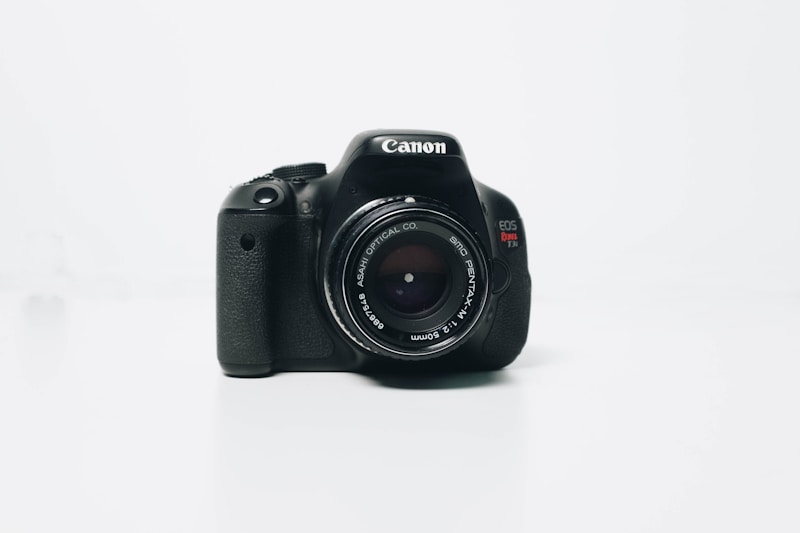
Travel Photography Tips: Capture Stunning Photos Across Europe
Why Travel Photography Matters
Travel photography is more than just snapping pictures of landmarks — it's about capturing the essence of a place, preserving memories that transport you back to those moments years later. Europe, with its incredible diversity of architecture, landscapes, cultures, and light, offers arguably the richest canvas for travel photography in the world.
Whether you're shooting with a professional DSLR or your smartphone, the principles of great travel photography remain the same. This guide will help you elevate your European travel photos from casual snapshots to images you'll be proud to display.
Mastering Composition
The rule of thirds is the foundation of compelling composition. Imagine your frame divided into a 3×3 grid — placing your subject along these lines or at their intersections creates naturally balanced, engaging images. Most smartphones and cameras can display this grid overlay in their settings.
Leading lines are everywhere in Europe — cobblestone streets, canal paths, bridge railings, and arcade corridors all naturally guide the viewer's eye into the image. Use them to draw attention to your main subject or to create depth in your photographs.
Framing is another powerful technique. Use archways, doorways, windows, or tree branches to frame your subject. European architecture is filled with natural frames — the arches of Roman aqueducts, the doorways of medieval churches, or the wrought-iron balconies of Parisian apartments.
Don't forget about negative space. Sometimes the most powerful images are the simplest — a lone figure crossing a vast plaza, a single boat on a still lake, or a solitary church spire against an empty sky.
Understanding Light
Light is the single most important element in photography, and understanding it will transform your images more than any equipment upgrade ever could.
Golden Hour: The hour after sunrise and before sunset bathes everything in warm, soft, directional light that makes ordinary scenes extraordinary. In European summer, golden hour can last longer at northern latitudes, giving you extended shooting time. Plan your most important shots for these times.
Blue Hour: The 20-30 minutes before sunrise and after sunset create a deep blue sky that's particularly stunning for cityscapes with artificial lighting. European cities like Paris, Prague, and Budapest are transformed during blue hour.
Overcast Days: Don't put your camera away on cloudy days. Overcast skies act as a giant softbox, producing even, shadow-free light that's perfect for portraits, street photography, and detailed architectural shots.
Harsh Midday Sun: While generally avoided by photographers, harsh light creates dramatic shadows that can work beautifully in black-and-white photography. Mediterranean cities like Santorini and Dubrovnik are stunning in high-contrast midday light.
Essential Gear for Travel Photography
The best camera is the one you have with you. Modern smartphones produce remarkable images, and their portability makes them ideal for spontaneous street photography. If you're using a smartphone, invest in learning its manual mode and consider a clip-on lens kit for versatility.
For dedicated cameras, a mirrorless camera with a versatile zoom lens (24-70mm equivalent) covers most travel photography situations. Add a wide-angle lens (16-35mm) for architecture and landscapes, and a fast prime lens (35mm or 50mm f/1.8) for low-light and portrait work.
Essential accessories include a lightweight tripod (crucial for blue hour and night photography), extra batteries and memory cards, a lens cleaning cloth, and a comfortable camera strap or bag that keeps your gear accessible without screaming "tourist" to potential thieves.
Europe's Most Photogenic Spots
Santorini, Greece: The white-washed buildings against deep blue sea and sky create a minimalist photographer's dream. The best light hits the famous Oia sunset viewpoint, but equally stunning shots can be found in quieter villages like Imerovigli.
Cinque Terre, Italy: Five colorful fishing villages clinging to dramatic cliffs above the Mediterranean. Early morning light before the crowds arrive produces the most magical images.
Hallstatt, Austria: This lakeside village with its mirror-like reflections and alpine backdrop is one of the most photographed places in Europe. Dawn offers the calmest water for reflection shots.
Prague, Czech Republic: The Gothic and Baroque architecture creates an endlessly photogenic cityscape. Charles Bridge at sunrise, before the crowds, is an iconic shot worth waking up early for.
Norwegian Fjords: Dramatic landscapes that change with every turn. The combination of steep cliffs, waterfalls, and deep blue water creates images of extraordinary scale and beauty.
Street Photography Etiquette
Europe's vibrant street life offers endless opportunities for candid photography, but it's important to be respectful. Different European countries have varying attitudes toward being photographed. Generally, people in southern European countries are more relaxed about photography, while northern Europeans may be more private.
Always ask permission before taking close-up portraits of strangers. A smile and a gesture toward your camera usually communicates your intentions across language barriers. If someone objects, respect their wishes immediately.
Be aware of privacy laws — in some European countries, publishing identifiable photos of people without consent can have legal implications, particularly for commercial use.
Protecting Your Gear While Traveling
Camera equipment is a prime target for theft in tourist-heavy areas. Use a cross-body bag rather than a backpack in crowded areas, as backpacks can be opened without your knowledge. Consider using a camera strap that doesn't advertise the brand, and avoid changing lenses in busy public areas where you might attract attention.
Travel insurance that covers photography equipment is essential for any photographer traveling with valuable gear. TravelSafeOne policies include personal belongings coverage, providing peace of mind that your equipment is protected against theft, loss, and damage — all from just €1 per day.
Post-Processing Your Travel Photos
Even the best photos benefit from thoughtful editing. Mobile apps like Lightroom, Snapseed, and VSCO offer powerful editing tools that you can use right on your phone during travel. Focus on subtle adjustments to exposure, contrast, and color temperature rather than heavy filters that can make your photos look artificial.
Develop a consistent editing style that reflects the mood of your travels. A cohesive look across your travel photos tells a more compelling visual story than a collection of individually processed images.
Related Articles
Budget Travel Guide: Exploring Europe Without Breaking the Bank
Practical tips and strategies for traveling through Europe on a budget while still having amazing experiences.
Ultimate Packing List for Your European Adventure
A comprehensive, season-aware packing guide ensuring you have everything for a smooth and enjoyable European trip.
Solo Travel in Europe: Safety Tips and Best Destinations
Everything you need to know about solo travel in Europe — from the safest destinations to meeting people and staying protected.