
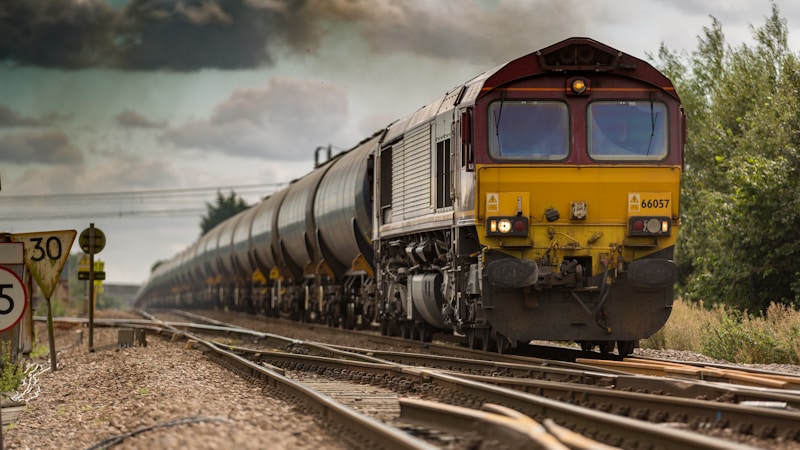
Europe by Train: The Ultimate 2026 Guide to Rail Passes & Routes
Why Travel Europe by Train?
Train travel in Europe is more than just transportation—it's an experience. From watching the Swiss Alps glide past your window to arriving in the heart of cities like Paris, Amsterdam, or Vienna, European rail offers comfort, convenience, and sustainability. In 2026, Europe's rail network covers over 230,000 km of track across 33 countries, with high-speed trains reaching speeds of 300+ km/h.
Understanding Rail Passes
Eurail Pass
The Eurail Pass is designed for non-European residents and covers 33 countries. In 2026, options include:
Global Pass: Unlimited travel across all 33 countries. Available in 4-day, 5-day, 7-day, 10-day, 15-day, or continuous 1-3 month options. Prices start from €261 for a 4-day pass (within 1 month) for adults.
One Country Pass: Unlimited travel within a single country. Ideal if you're exploring one destination in depth. Prices vary by country, starting from €79.
Youth discounts: Travelers aged 12-27 receive approximately 25% off standard prices. Children under 12 travel free with a paying adult.
Interrail Pass
The European equivalent for EU residents, offering the same flexibility and routes as Eurail but at slightly different pricing.
Most Scenic Train Routes
Glacier Express, Switzerland
The "slowest express train in the world" takes 8 hours to travel between Zermatt and St. Moritz, crossing 291 bridges and passing through 91 tunnels. The panoramic windows offer breathtaking views of alpine meadows, deep gorges, and the famous Landwasser Viaduct.
Bergen Railway, Norway
Running between Oslo and Bergen, this 7-hour journey crosses Europe's highest mountain plateau. The route passes through dramatic fjord landscapes, mountain lakes, and the Flåm Railway branch—one of the steepest standard-gauge railways in the world.
Cinque Terre Express, Italy
This short but spectacular coastal route connects the five colorful villages of Cinque Terre along the Italian Riviera. Trains run frequently and offer glimpses of the Mediterranean between tunnels carved through coastal cliffs.
Rhine Valley Railway, Germany
Follow the Rhine River between Koblenz and Mainz, passing medieval castles, terraced vineyards, and the legendary Lorelei rock. This UNESCO World Heritage stretch is best enjoyed in a regional train where you can sit by the window and take photos.
High-Speed Rail Networks
France (TGV): Paris to Marseille in 3h15, Paris to Lyon in 2h, Paris to Bordeaux in 2h. France's TGV network is the most extensive in Europe.
Spain (AVE): Madrid to Barcelona in 2h30, Madrid to Seville in 2h30. Spain has Europe's longest high-speed network.
Germany (ICE): Berlin to Munich in 4h, Frankfurt to Cologne in 1h. Germany's ICE trains offer excellent onboard WiFi and dining cars.
Italy (Frecciarossa): Rome to Milan in 2h55, Rome to Naples in 1h10. Italy's high-speed trains are among the most affordable in Western Europe.
Booking Tips to Save Money
Book early: Most European railways release tickets 3-6 months in advance. Early-bird fares can be 50-70% cheaper than walk-up prices.
Use comparison tools: Platforms like Trainline, Rail Europe, and Omio compare prices across different operators and show the cheapest options.
Consider night trains: Overnight services between cities like Vienna-Rome, Paris-Barcelona, or Amsterdam-Zurich save both time and hotel costs. Modern night trains offer comfortable berths, private cabins, and even en-suite bathrooms.
Split tickets: Sometimes booking two separate tickets for a journey with a stop is cheaper than one through-ticket.
Practical Tips for Train Travel
Seat reservations: Some trains (TGV, AVE, Eurostar) require mandatory seat reservations even with a rail pass. Book these early as they have limited availability.
Luggage: European trains have no strict luggage limits, but space can be tight. Pack light and keep valuables close. Most stations don't have luggage screening.
Cross-border travel: Trains between Schengen countries rarely have passport checks, but always carry your passport and visa. Non-Schengen borders (Switzerland-Italy or France-UK via Eurostar) have immigration controls.
Travel insurance: Ensure your travel insurance covers trip interruption and missed connections. Train delays can cause you to miss connecting services, resulting in additional accommodation and rebooking costs.
Related Articles

Budget Travel Guide: Exploring Europe Without Breaking the Bank
Practical tips and strategies for traveling through Europe on a budget while still having amazing experiences.

Ultimate Packing List for Your European Adventure
A comprehensive, season-aware packing guide ensuring you have everything for a smooth and enjoyable European trip.

Solo Travel in Europe: Safety Tips and Best Destinations
Everything you need to know about solo travel in Europe — from the safest destinations to meeting people and staying protected.