
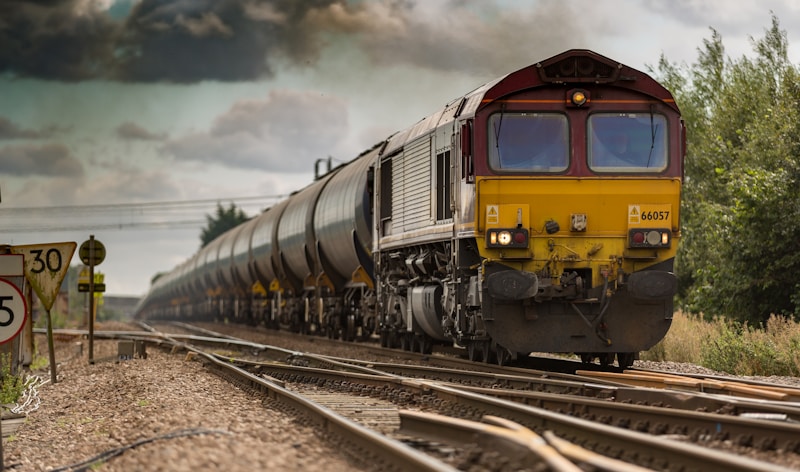
The Ultimate Guide to Train Travel in Europe
Why Train Travel Is the Best Way to See Europe
Europe has one of the world's most extensive and efficient rail networks, connecting major cities and charming small towns across the continent. Train travel offers advantages that no other mode of transportation can match: city-center to city-center travel (avoiding airport hassles and transfers), stunning scenic views through countryside and mountains, generous luggage allowances with no weight limits, the freedom to work, eat, or sleep comfortably during transit, and a significantly lower carbon footprint than flying.
The Schengen Area's open borders make train travel especially convenient — you can cross multiple countries in a single day without passport checks or border delays. From high-speed TGVs connecting Paris to other major cities in hours to scenic alpine railways winding through Swiss mountain passes, European rail travel is as much about the journey as the destination.
Understanding European Rail Passes
Eurail Pass: Available to non-European residents, the Eurail Pass offers unlimited travel across 33 countries. Options include the Global Pass (all countries), One Country Pass (single country), and various durations from 3 travel days within a month to continuous 3-month passes. Prices start at approximately €200 for shorter passes.
Interrail Pass: The equivalent of Eurail for European residents, offering the same flexibility and coverage at slightly different pricing.
Point-to-Point Tickets: Individual tickets for specific routes. These are often cheaper than rail passes for focused itineraries, especially when booked well in advance. Most European railways offer early-bird discounts of 50-70% off standard fares.
The rail pass vs. point-to-point decision depends on your itinerary. If you're visiting 3+ countries with frequent train trips, a rail pass usually saves money. For a focused trip with 2-3 specific long-distance journeys, point-to-point tickets booked early are typically cheaper.
Europe's Best High-Speed Rail Networks
France (TGV/SNCF): France's TGV network is one of Europe's finest, connecting Paris to Lyon in 2 hours, Marseille in 3.5 hours, and Bordeaux in just 2 hours. The Eurostar service also links Paris to London in 2 hours 15 minutes via the Channel Tunnel.
Spain (AVE/Renfe): Spain's AVE high-speed trains reach speeds of up to 310 km/h, connecting Madrid to Barcelona in 2.5 hours and to Seville in 2.5 hours. The network has expanded rapidly and now covers most major Spanish cities.
Germany (ICE/Deutsche Bahn): Germany's InterCity Express (ICE) trains connect major cities at speeds up to 300 km/h. The network is extensive, with frequent service between Berlin, Munich, Frankfurt, Hamburg, and Cologne.
Italy (Frecciarossa/Trenitalia): Italy's Frecciarossa trains travel at up to 300 km/h, connecting Rome to Milan in under 3 hours and Rome to Naples in just 1 hour. Italy also has a private high-speed operator, Italo, which offers competitive pricing.
The Most Scenic Train Routes in Europe
Glacier Express (Switzerland): Often called the slowest express train in the world, this 8-hour journey between Zermatt and St. Moritz crosses 291 bridges and passes through 91 tunnels, offering panoramic views of the Swiss Alps. A truly once-in-a-lifetime experience.
Bergen Railway (Norway): This 7-hour journey from Oslo to Bergen crosses the Hardangervidda mountain plateau, one of the highest mountain railways in Northern Europe. The route passes through dramatic fjord landscapes and remote mountain villages.
Cinque Terre Railway (Italy): A short but spectacular coastal route connecting the five colorful fishing villages of Cinque Terre along the Italian Riviera. Tunnels carved through cliffs alternate with stunning views of pastel-colored houses perched above the Mediterranean.
Rhine Valley Railway (Germany): Following the Rhine River between Koblenz and Mainz, this route passes beneath dramatic castle-topped cliffs, through terraced vineyards, and past the legendary Lorelei rock. A glass of local Riesling makes the journey even more memorable.
West Highland Line (Scotland): From Glasgow to Mallaig, this route crosses the Glenfinnan Viaduct (famous from the Harry Potter films) and passes through some of Scotland's most dramatic Highland scenery.
Booking Tips and Money-Saving Strategies
Book early for the best prices. Most European railways release tickets 3-6 months in advance, and the earliest bookers get the deepest discounts. Use comparison sites like Trainline, Omio, or Rail Europe to compare prices across different operators.
Travel on off-peak days and times. Tuesday, Wednesday, and Saturday departures are typically cheapest. Early morning and late evening trains often have lower fares than midday services.
Consider overnight trains for long distances. Night trains save you a hotel night while covering significant distances. Routes like Paris-Venice, Vienna-Rome, and Amsterdam-Zurich offer comfortable sleeper cabins.
Look for national rail cards and youth/senior discounts. Many countries offer discount cards that pay for themselves after just 2-3 trips. Students under 26 and seniors over 60 often qualify for significant reductions.
Split your ticket when traveling through multiple countries. Sometimes buying separate tickets for each leg of the journey is cheaper than a single through-ticket, especially when crossing from one national rail system to another.
Practical Tips for Train Travel in Europe
Arrive at the station at least 15-20 minutes before departure for high-speed trains, as they depart on time. Unlike airports, most European train stations don't require security screening, so the boarding process is quick.
Download the railway apps for the countries you're visiting. Apps like DB Navigator (Germany), SNCF Connect (France), and Trenitalia (Italy) provide real-time schedules, platform information, and mobile tickets.
Keep your passport handy when crossing borders. While there are no systematic passport checks on Schengen trains, random checks do occur, and you'll need ID when conductors check international tickets.
Pack light but smart. While there are no weight limits on trains, storage space can be limited in peak hours. A medium-sized suitcase and a day bag is the sweet spot for most travelers.
Train Travel and Your Travel Insurance
Train travel isn't immune to disruptions — strikes, severe weather, and technical issues can cause delays and cancellations. Comprehensive travel insurance covers many of these disruptions, reimbursing you for missed connections, additional accommodation costs, and alternative transport when needed. TravelSafeOne policies include coverage for travel disruptions alongside medical emergencies and personal belongings, all from just €1 per day.
Related Articles

Budget Travel Guide: Exploring Europe Without Breaking the Bank
Practical tips and strategies for traveling through Europe on a budget while still having amazing experiences.

Ultimate Packing List for Your European Adventure
A comprehensive, season-aware packing guide ensuring you have everything for a smooth and enjoyable European trip.

Solo Travel in Europe: Safety Tips and Best Destinations
Everything you need to know about solo travel in Europe — from the safest destinations to meeting people and staying protected.